Mr. Bail Bonds Texas is here to help 24/7
(214) 466-6658

Mr. Bail Bonds
Your Trusted Partner in Difficult Times, Servicing Every County In Texas!
Your Trusted Partner in Difficult Times, Servicing Every County In Texas!
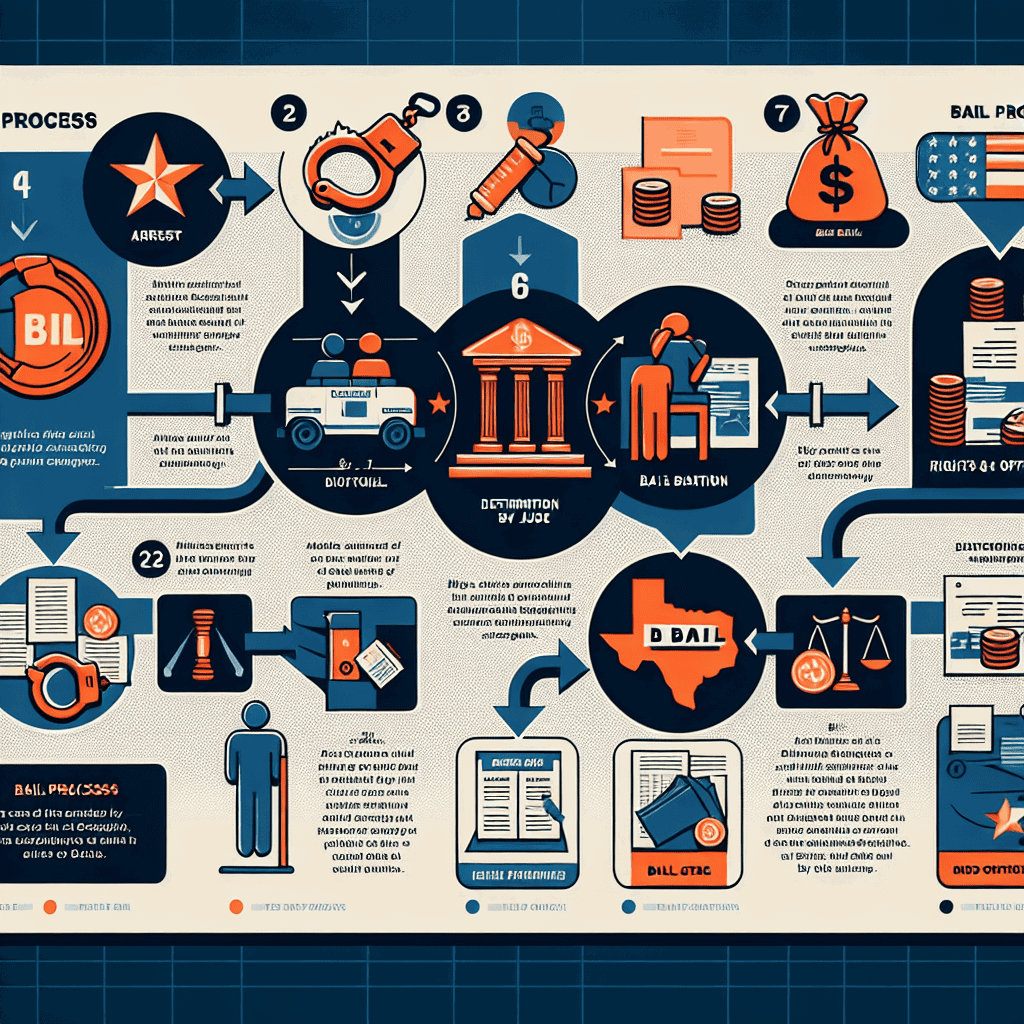
When someone you care about gets arrested, you’ll quickly hear two terms thrown around: “bail” and “bond.” While many people use these words interchangeably, understanding the difference can save you thousands of dollars and help you make informed decisions quickly. Bail is the total amount of money set by the court as security to ensure a defendant appears for all required court dates. Think of it as a refundable deposit. If you have the full amount in cash and pay it directly to the court, you can get that money back after the case concludes, provided the defendant attends all court appearances. For example, if bail is set at $50,000 and you pay the court directly in cash, you’ll receive that money back once the case is resolved and all court obligations are met. A bond is a guarantee provided by a licensed bail bond company. When you can’t afford to pay the full bail amount, a bond company steps in to post the bail on your behalf. In exchange for this service, you pay the company a non-refundable fee, typically 10-20% of the total bail amount in Texas. Using the same example: if bail is set at $50,000 and you work with a bail bond company, you would pay them approximately $5,000 to $10,000 as their fee. The bond company then guarantees the full $50,000 to the court. Texas law requires that bail be set within 48 hours of arrest. The magistrate considers several factors when determining the bail amount, including the severity of the offense, the defendant’s criminal history, ties to the community, and potential flight risk. Once bail is set, you have options. If you can afford the full amount, paying bail directly gives you the advantage of getting your money back. However, most families don’t have access to large sums of cash on short notice, which is where bail bond companies provide a valuable service. After a bond is posted, the release process typically takes between 2-8 hours, depending on the jail and how busy they are. The bond company coordinates with the jail to process the paperwork and secure the defendant’s release. The choice between paying bail directly or using a bond company depends on your financial situation. If you have immediate access to the full bail amount and feel confident it’s a better use of those funds short-term, paying bail directly may make sense. However, most families find that working with a reputable bail bond company is the practical solution that allows them to keep their savings intact while still securing their loved one’s release. Understanding the bail process doesn’t have to be complicated. Whether you’re dealing with a first-time arrest or navigating the system again, knowing the difference between bail and bond helps you make informed decisions during a stressful time. Licensed bail bond companies in Texas are regulated and can provide flexible payment options to help families through difficult situations. This article is for educational purposes only and does not constitute legal advice. For specific legal guidance, consult with a licensed attorney.Understanding Bail and Bond: What Every Texas Family Needs to Know
What is Bail?
What is a Bond?
Key Differences to Remember
How Texas Bail Bonds Work
The Release Process
Important Considerations
Making the Right Choice
Questions About Bail Bonds in Texas?